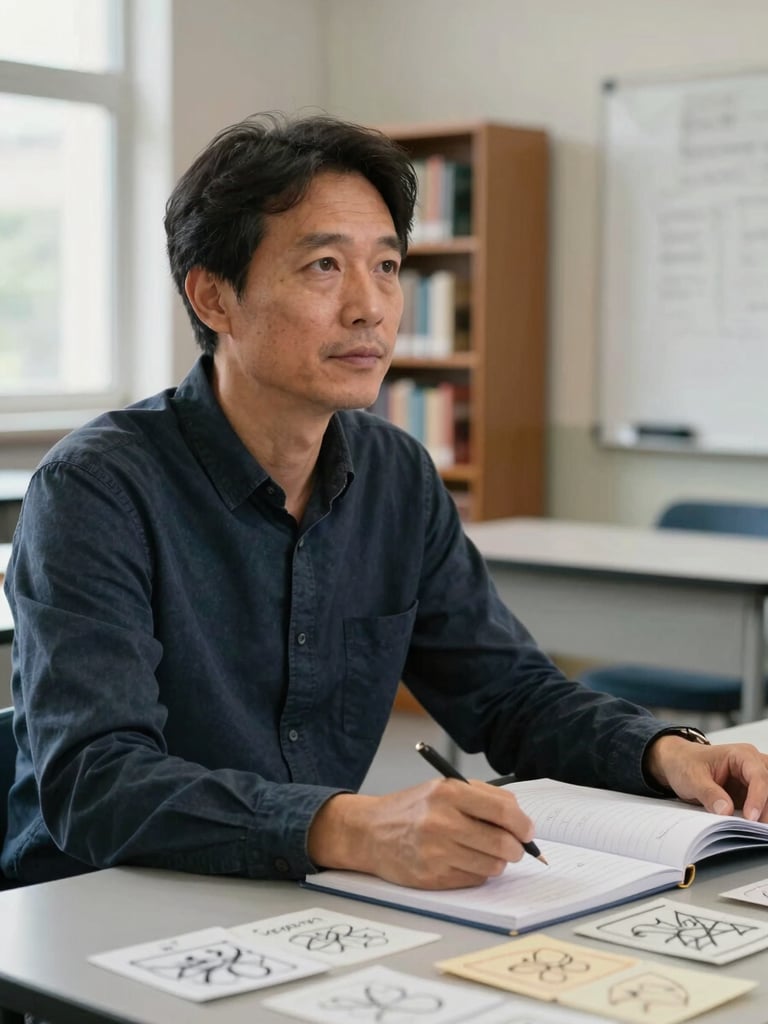
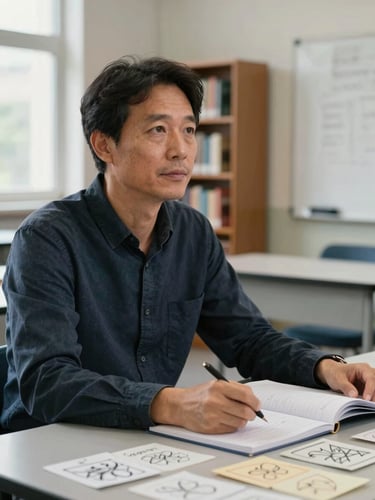
Close-up editorial portrait, left third of frame: an educator in his mid-forties sits at a low classroom table covered with hand-drawn cards and open notebooks, natural window light from the left casting soft shadows, looking slightly off-camera with calm attention, bookshelves and a whiteboard visible out of focus in the background
— El autor

El método nació en el aula, no en el laboratorio.

Escritor, ilustrador y formador de maestros. Más de quince años observando cómo los niños de tres a cinco años se acercan al lenguaje antes de que nadie les enseñe una letra.
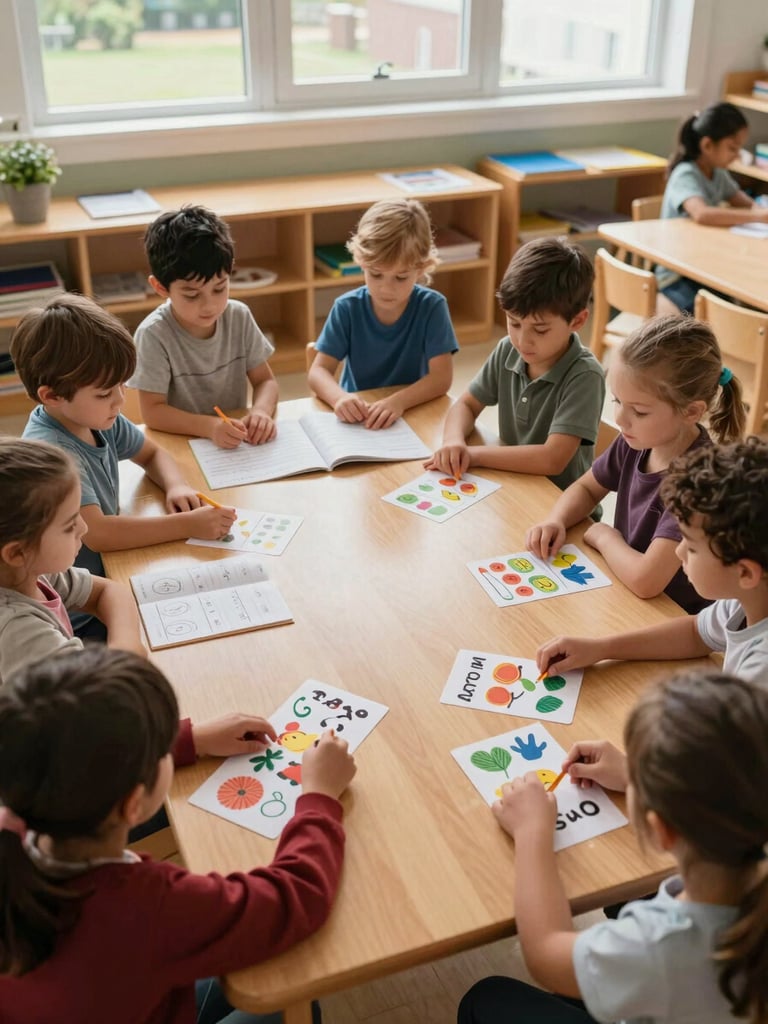
Wide overhead shot of a real early-childhood classroom: a teacher's hands spread several illustrated cards across a low wooden table, a small group of children lean in from the edges of the frame, natural daylight from a row of windows along the far wall, pencils and handmade booklets visible among the materials
/ Quince años de aula

La observación directa como punto de partida

BINAR no surgió de un marco teórico aplicado a distancia. Surgió de registrar, durante años, qué capturaba la atención de niños de tres años antes de que supieran leer: la imagen inesperada, la palabra que suena rara, el dibujo que no tiene sentido.

Esa observación sistemática es la columna del método. Cada decisión didáctica tiene detrás una escena real de aula, no una hipótesis.
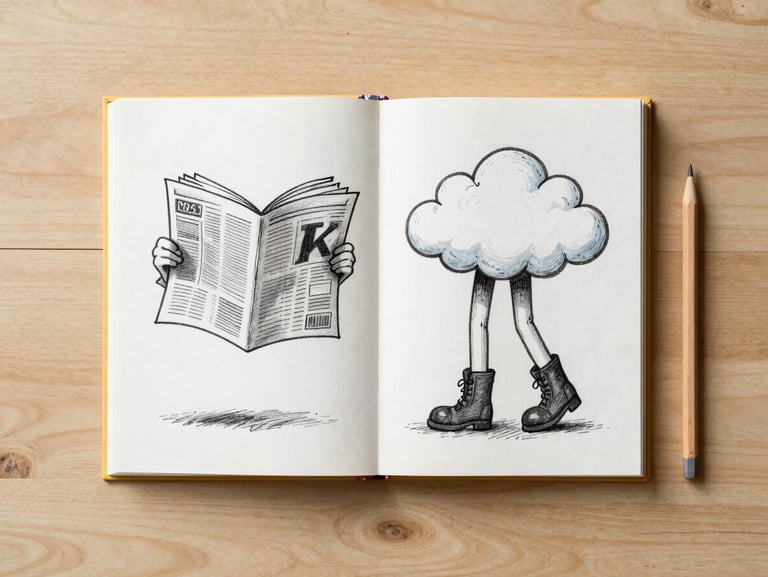
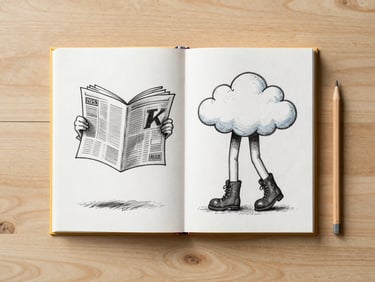
Flat-lay overhead shot on a light wooden surface: an open illustrated storybook with hand-drawn impossible images — a fish reading a newspaper, a cloud wearing boots — soft natural daylight from the upper left, no shadows obscuring the pages, a pencil resting beside the book
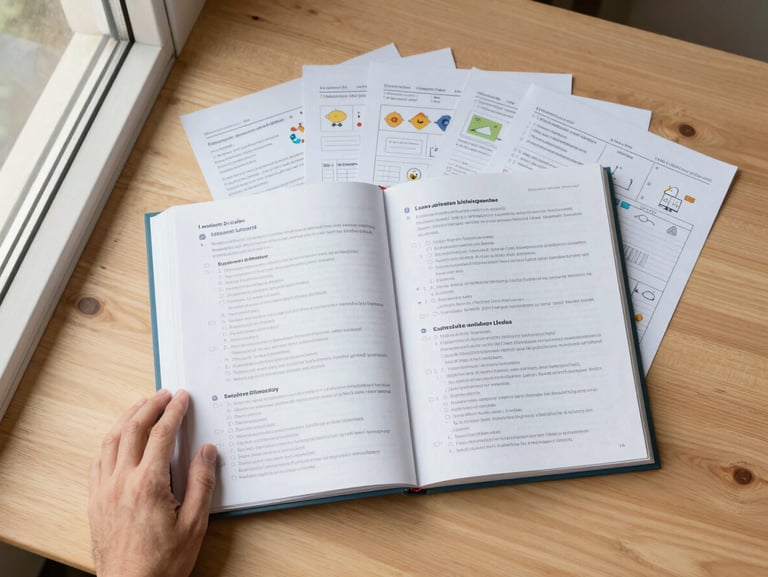
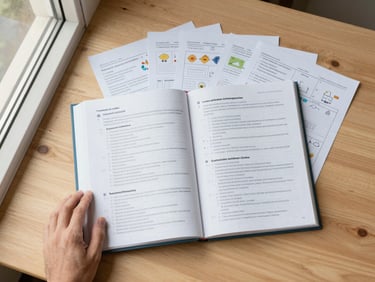
Flat-lay overhead shot on a light wooden surface: a teacher's guide open to a double-page spread with annotated lesson plans and small printed activity sheets fanned around it, natural window light from the left, a teacher's hand resting at the edge of the frame
• Obra publicada

Escribe, ilustra y forma: el método es también la persona.

Los materiales de BINAR no se delegan. Cada imagen improbable, cada secuencia narrativa y cada guía docente lleva la misma firma.

Álbumes e imágenes improbables

Guías docentes y formación directa

Las guías documentan la secuencia didáctica con el mismo nivel de detalle que la formación presencial. La voz del acompañamiento es siempre la misma que la del método.

Los álbumes ilustrados del método son el punto de entrada al lenguaje oral. Cada imagen está construida para provocar conversación, no para decorar el aula.

¿Quiere conocer el método de primera mano?

Una conversación directa es la mejor manera de valorar si BINAR encaja con el momento pedagógico de su centro.